Case Study · California

How a California voice and piano teacher built their studio

Kim built a loyal, word-of-mouth voice and piano studio in California. Here's what changed when she added an organized system and build a following (and a waitlist!)

Where Kim started

A loyal following built entirely on word-of-mouth, with no system to keep it growing

Kim Nguyen is a voice and piano teacher based in Southern California. She built her studio the way most independent teachers do: strong training, a good reputation, and students who found her through word-of-mouth referrals. The teaching was never the problem. What she didn't have was a system to turn that reputation into predictable, ongoing enrollment.

She was a strong teacher with a loyal following, and the problem was never the teaching. It was that there was no system underneath it. Specifically:

  • No structured way to turn referrals into predictable enrollment
  • No consistent studio policies across students and families
  • No clear definition of her ideal student
  • No predictable, ongoing revenue she could plan around
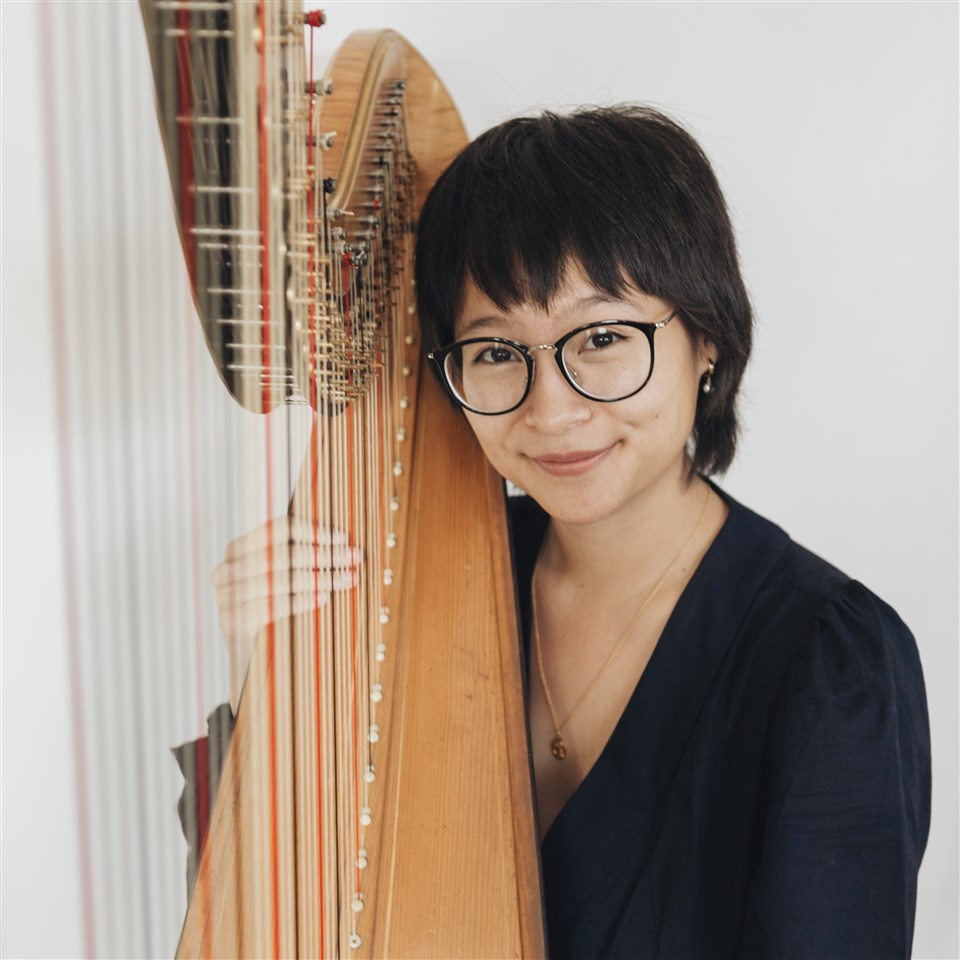
Kim Nguyen, voice and harp teacher in California

What changed

Kim didn't change her teaching. She added the pieces her studio was missing: a repeatable way to turn her reputation into referrals, clear policies so every family followed the same terms, and a defined sense of which students were the right fit.

A referral system

Instead of waiting for word-of-mouth to happen on its own, Kim built a repeatable way to invite current students and families to refer, at the right moments, without it feeling like asking for a favor.

Consistent studio policies

Payment terms, scheduling, and expectations became the same for every family. No more case-by-case decisions that quietly ate into her week.

A clearer offer across three instruments

Voice, piano, and harp stopped being three separate conversations. Kim built one clear offer that made it easy for the right students to say yes.

Meet Kim

Hear it in Kim's own words

Kim walks through what her studio looked like before, what she changed, and what her day-to-day looks like now.

California voice and piano lessons

Questions California voice and piano teachers ask us

How do voice and piano teachers in California find new students?

Voice and piano teachers in California fill their studios through three channels: referrals from current students and families, partnerships with local schools, choirs, and performance venues, and an organized online presence (a clear teaching website, a Google Business Profile, and reviews). Teachers who fill fastest treat student acquisition as a repeatable system rather than waiting for word-of-mouth to happen on its own. Kim built a waitlist studio this way.

How long does it take to fill a private voice or piano studio in California?

Most independent teachers can move from a partial studio to a full one within a few months once they have a real enrollment system in place. The timeline depends less on the city or instrument and more on the teacher's clarity about their ideal student and whether they have a structured intake process. Kim built her waitlist by putting that system in place.

What should a private voice or piano teacher charge in California?

Rates vary widely by experience, format, and student level. The more useful question is how to package and price a studio so revenue is predictable. Independent teachers who price by monthly flat rate tuition, instead of pay-as-you-go, tend to have steadier income than those billing per lesson.

Is it realistic to teach voice and piano full-time in California?

Yes. California has a deep classical and performance ecosystem, including strong conservatory programs, youth orchestras, and a wide network of choirs and performance venues. A full-time independent studio is realistic for teachers who treat it like a business, with structured policies, predictable enrollment, and a referral pipeline. Kim built her waitlist studio by making that shift.

How do I get more voice or piano students without paid ads?

Most studios that grow without paid ads do it through a referral system (students and families who already love you, structured into a repeatable invitation), local partnerships (schools, choirs, performance venues, music organizations), and an organized online presence. Paid ads are usually the last lever to pull, not the first. Kim built her waitlist with zero ad spend.

Are you an independent music teacher looking to improve your studio?

Let's map out your enrollment system, free.

Book a free 45-minute strategy call with our team. We'll look at your current studio numbers, identify exactly where students are slipping through the cracks, and give you a clear action plan.

Book Your Free Strategy Call
No pitch or pressure, just a professional conversation about your studio.